
Health visitors in south Wales set to strike after NHS employer ignores job evaluation appeal
Comment
Image
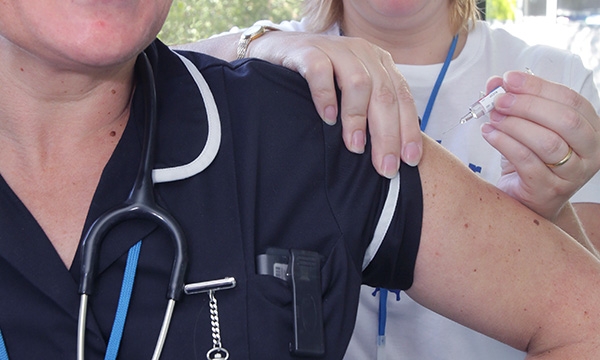
The World Health Organization estimates that up to 650,000 deaths a year are attributable to flu.
Image

Too few nurses from black and minority ethnic backgrounds receive awards for their efforts, perhaps because so few are nominated by colleagues.
Image

Bethann Siviter: We often speak about how social care could be improved. It’s time to speak loudly
Image
Sharon Graham discusses what the latest government advice on age-related flu vaccinations means in practice.
Image

Leading Change, Adding Value (LCAV) puts a new emphasis on measuring improvement.
Image

Community nurses need to take a more holistic approach to identify and support FGM survivors and young girls who might be at risk.
Image
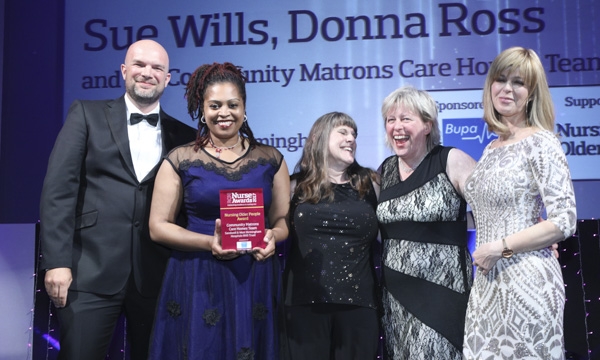
Community matron Dena Ross, joint winner of the Nursing Older People category at the RCNi Nurse Awards 2017, encourages colleagues from black and ethnic minor
Image
With the uptake rate of cervical cancer screening at a 20-year low, nurses need to help women understand the importance of screening and its crucial role in p
Image
Simone Williams, one of the first nurses on the scene at the Grenfell Tower fire, worked through the night to help those affected.
Image

Nurse leaders should consider how they can foster better relationships between health and social care staff to support patients, says New Zealand-based K
Image

An urgent rethink is required to secure funding for health visitor training, writes Karen Stansfield.
Eight interim staffing principles in place until work is complete
Why is physical and mental health considered two different things, and what barriers can be broken down to change this, writes Bethann Siviter.
Nurses have a vital role to play in promoting the latest healthy lifestyles campaign, which stresses that just ten minutes of brisk walking a day can help ward off conditions such as diabetes and heart disease, says chief nurse for Public Health England Viv Bennett.
After trialling a Leg Club set up by Ellie Lindsay, the Adam Practice in Dorset found they could benefit from the services and help reduce patient demand for leg ulcer appointments, and social isolation.
Some nurses and patients may hesitate to use new technology for remote healthcare, but it can mean less anxiety, better symptom control and timely intervention, improving patient confidence and quality of care while avoiding unnecessary surgery attendances.
Sometimes obstacles get in your way, but as Bethann Siviter knows, this gives nurses the chance to innovate to create a positive difference.