Health visitors in south Wales set to strike after NHS employer ignores job evaluation appeal
CPD articles
Image

Care complications are common conditions which affect residents in care homes and often arise from risks associated with their illness.
Image
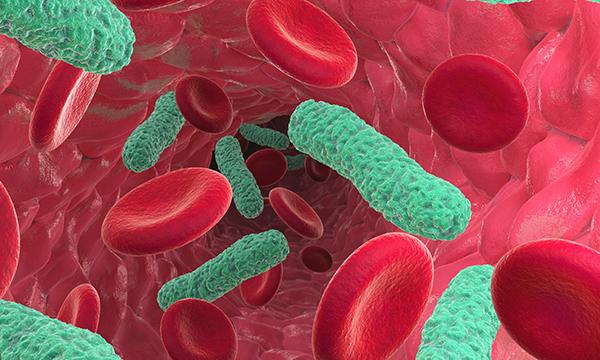
Sepsis is a life-threatening organ dysfunction caused by a dysregulated host response to infection.
Image
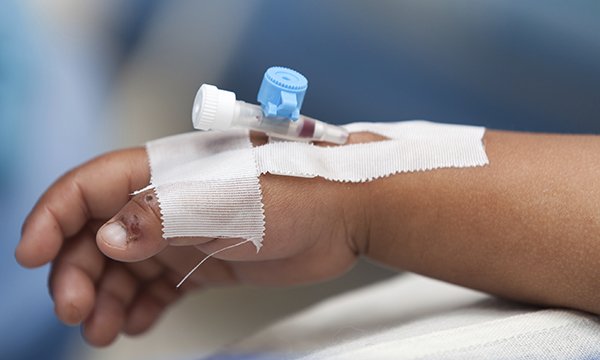
Intravenous cannulation is becoming one of the most common procedures in healthcare as increasing numbers of patients are treated for acute and chronic illn
Image
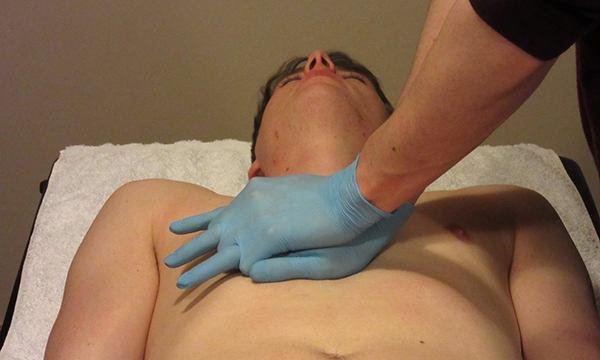
Survival rates following in-hospital cardiac arrest remain low.
Image

Adverse drug reactions (ADRs) are increasingly common and are a significant cause of morbidity and mortality.
Image
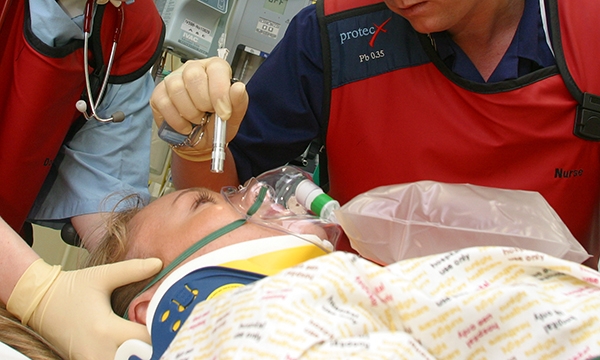
Major trauma centres provide specialised care for patients who have experienced serious traumatic injury.
Image

Falls are the most frequent adverse event reported in hospitals, usually affecting older patients.
Image
Reviewing primary research to establish the evidence supporting their use
Image
Healthcare staff should develop an understanding of type 1 and type 2 diabetes
Image
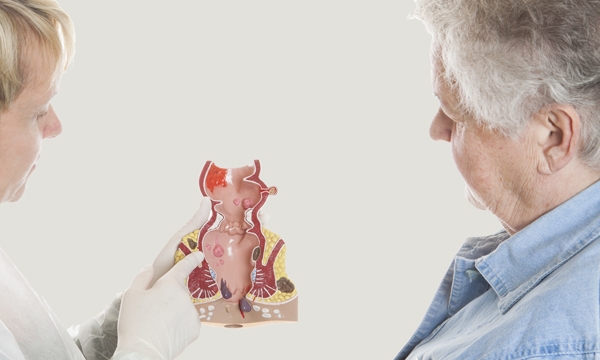
This article discusses gastrointestinal (GI) healthcare in older people.
Image
This article, the second of two, provides healthcare practitioners with an overview of best practice in palliative and end-of-life care, including nutrition
Image
The terms palliative and end of life care are often used interchangeably and healthcare practitioners may perceive that palliative care is only appropriate
Nurses and midwives who are registered with the Nursing and Midwifery Council (NMC) are required to renew their registration with the NMC.
Human immunodeficiency virus (HIV) is now considered a long-term condition. However, HIV can only become a long-term condition if it is diagnosed early and antiretroviral therapy is commenced immediately.
<p>As a nurse practitioner at a GP surgery, I frequently encounter children who have eczema.</p>
This article provides a comprehensive overview of the risks associated with the administration of chemotherapy, monoclonal antibodies and targeted or biological therapies in the management of solid tumours.
Manual handling injuries can occur almost anywhere in a healthcare environment, and most staff perform a variety of moving and handling tasks every day. Heavy lifting, awkward posture, and previous or existing injury can increase the risk of musculoskeletal disorders.
Polypharmacy refers to the prescribing of many medicines for one individual. Polypharmacy is increasingly common as a result of the rise in multimorbidity, use of evidence-based clinical guidelines and care pathways, and a focus on disease prevention.