




Image
Role of enhanced therapeutic observations and care in maintaining the well-being and safety of mental health inpatients
The legal, ethical and professional duties of mental health nurses when undertaking ETOC
13 Jan 2026
Image
Assessing the physical health of service users with severe mental illness
How mental health nurses can address inequalities to improve service users’ physical health
14 Jan 2025
Image
Interventions aimed at preventing suicide in the healthcare workforce: a systematic review
How nurse leaders can implement suicide prevention interventions for their staff
30 Jul 2024
Image
 First-tier Tribunal (Mental Health) hearings: protecting the therapeutic relationship
An overview of the process and advice on displaying transparency and acting as the patient’s advocate
10 Oct 2023
Image
Reducing the risk of suicide among healthcare staff
Explore the contributory factors involved in suicide, and appropriate interventions
02 Oct 2023
Image
Ways to support colleagues through open, honest discussions
24 Nov 2022
Image
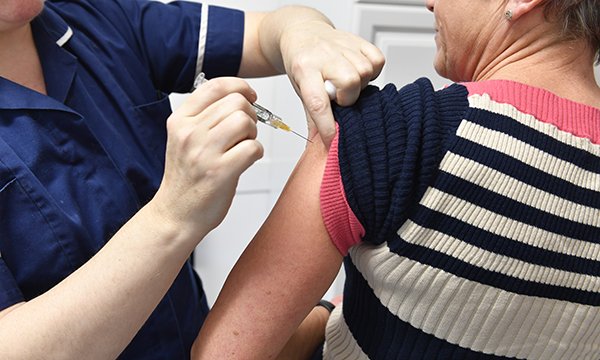
Campaign group wants people with serious mental illness to be a vaccination priority group
07 Sep 2022
Image
Mental health assessment
Read this article to understand the role of a mental state assessment
12 Apr 2021
Image
Communication

Why you should read this article:

To understand the potential effects of various types of communication difficulties on people with serious mental illness (SMI)

To assist in assessing and managing the communication needs of people with SMI, and in making appropriate referrals to speech and language therapy services

To count towards revalidation as part of your 35 hours of CPD, or you may wish to write a reflective account (UK readers)

To contribute towards your professional development and local registration renewal requirements (non-UK readers)


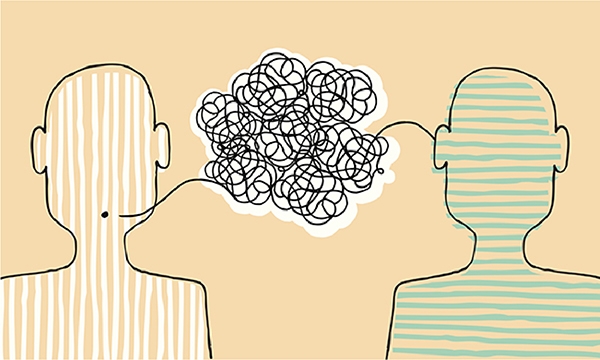
Effective communication is essential to maintain mental health and resilience. Communication can be challenging for people who experience serious mental illness (SMI), which can be a barrier to social, employment and educational opportunities, as well as increasing their risk of experiencing abuse. Therefore, it is important that nurses who work with individuals experiencing SMI understand the assessment and management of specific communication, speech and language needs. This article focuses on five areas of communication, speech and language – receptive language, expressive language, speech, social communication and swallowing – to increase nurses’ confidence in assessing communication needs and making appropriate referrals to speech and language therapy services. The authors also suggest therapeutic interventions that nurses can use to reduce the effects of speech and language difficulties among people with SMI.

25 Jun 2018
Image
Serious mental health issues

People with serious mental illness (SMI) are at risk of dying many years earlier than the general population. Providing an effective, cost-efficient healthcare service requires a holistic approach, and improving the physical health of people with SMI should be integral to all healthcare roles. It is important for nurses to identify and understand the barriers that people with SMI may experience when accessing physical healthcare. A range of factors contribute to reduced life expectancy, including lifestyle factors, symptoms of mental illness and the side effects of medications. This article discusses four areas of health that commonly affect people with SMI: metabolic syndrome, smoking, oral health and sexual health. Metabolic syndrome is a cluster of risk factors that increase an individual’s risk of cardiovascular disease, stroke and type 2 diabetes mellitus. Smoking is increasingly prevalent in people with SMI, with rates remaining steady despite a decline in smoking rates nationally. Oral health and sexual health can negatively affect the physical health and well-being of people with SMI; however, these aspects of health are often neglected. This article identifies ways that nurses in all practice settings can use health promotion, assessment and treatment to improve the physical health of people with SMI in relation to these four areas.

17 May 2017

People with serious mental illness (SMI) are at risk of dying many years earlier than the general population. Providing an effective, cost-efficient healthcare service requires a holistic approach, and improving the physical health of people with SMI should be integral to all healthcare roles. It is important for nurses to identify and understand the barriers that people with SMI may experience when accessing physical healthcare. A range of factors contribute to reduced life expectancy, including lifestyle factors, symptoms of mental illness and the side effects of medications. This article discusses four areas of health that commonly affect people with SMI: metabolic syndrome, smoking, oral health and sexual health. Metabolic syndrome is a cluster of risk factors that increase an individual's risk of cardiovascular disease, stroke and type 2 diabetes mellitus. Smoking is increasingly prevalent in people with SMI, with rates remaining steady despite a decline in smoking rates nationally. Oral health and sexual health can negatively affect the physical health and well-being of people with SMI; however, these aspects of health are often neglected. This article identifies ways that nurses in all practice settings can use health promotion, assessment and treatment to improve the physical health of people with SMI in relation to these four areas.

10 May 2017

Congratulations to students about to embark on nursing degrees, your journey into nursing is beginning. 

19 Aug 2016