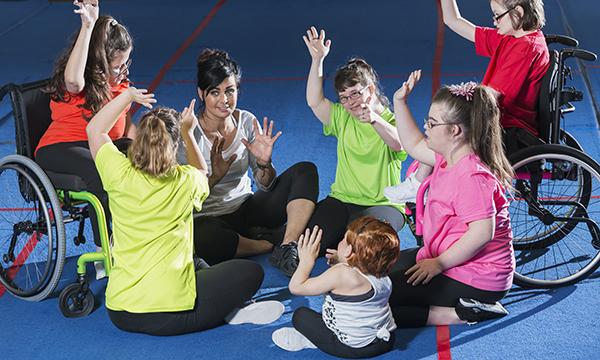
Despite popular opinion, learning disability nurses are needed in a range of care settings and should not limit their imagination when it comes to job searches, says Helen Laverty.
<p>IN THIS collection of blogs, 12 mothers with children with learning disabilities tell their stories about birth, diagnosis and care, and their battles on behalf of their families. The book serves as a reminder of the power of such stories to help and inspire others.</p>
<p>Nursing students from seven different universities are designing e-learning resources for use by their peers and other health professionals. This article explores the use of reusable learning objects designed by students themselves on the premise that they would be better placed to understand the learning needs of their peers. The authors explain the process of capturing student-generated content and the development of that content into usable resources that are proving popular and effective.</p>
<p>Over the last 25 years there has been growing emphasis placed on the rights of people who have a learning disability, the impact of historical modes of care, and the documentation of social histories for individuals. All these initiatives were long overdue and should be valued for the positive contribution they have made, and can still make, to the lifestyles of people who have a learning disability.</p>
<p>Historically the thoughts and opinions of people who have a learning disability have not influenced the development of the services provided for them. O’Brien states: ‘Historically we have been more efficient in providing people for services than services for people’ (1992). By arguing that we can care and nurse effectively for this marginalised group of society, we perpetuate the myth of ‘nurse knows best’.</p>