

Parental grief is unlike any other grief and is physically and emotionally overwhelming. About 20-30 young people die each year at a treatment centre following a diagnosis of cancer. Treatment centres strive to provide individualised care to patients and families from the point of diagnosis and into bereavement. Support is often directed by the needs of families, therefore there is no standard. This article describes findings of a literature review of the needs of bereaved parents following the death of a young person between 16 and 25 years. Five themes were identified to summarise the nature of parental grief, preparedness and palliative care experience, relationships and ‘telling the story’, continuing bonds, parents’ needs and adjusting to a new normal. Implications for practice are highlighted by the widespread acknowledgement of the need for individualised and appropriate support during grief, but the literature demonstrates a lack of information regarding this approach to support.

Oral vinorelbine has been a well-established cytotoxic treatment for non-small cell lung cancer and metastatic breast cancer since 2004. This article summarises the applications of the drug, the advantages and challenges of using an oral agent in palliative oncology settings and how oral vinorelbine has been used to develop nurse-led services and chemotherapy outside traditional hospital environments. The article includes two case studies to place this treatment in a clinical context.

The incidence of many cancers is increasing; coupled with a decline in mortality rates (

International nurses are an invaluable tool for workforces. It enables personal development, reflection and revalidates how you feel about your work. Carole Farrell discusses the use of a nursing exchange programme

Consultant editor Carole Farrell on the importance of advanced care planning for palliative care.

Patients with secondary breast cancer (SBC) may live for many years, but they require continual treatment and monitoring to control the disease. There is less specialist support available for this patient group, therefore funding was secured to improve the health and well-being of patients with SBC and their carers through an information and support day in the company of other patients. This article describes how three information and support events were hosted at the Christie Hospital in Manchester between July 2015 and January 2016, and reports the evaluation results.

Celebrating the pivotal work of the Experimental Cancer Medicines Centres (ECMC) network in the UK.
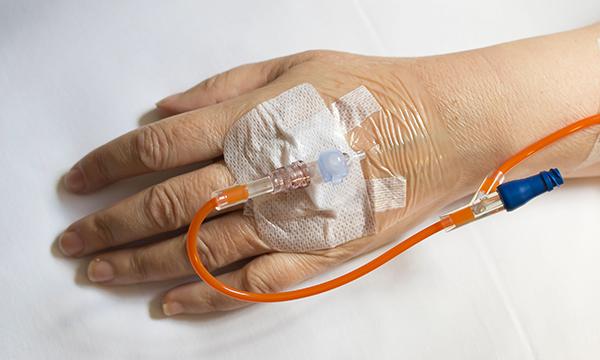
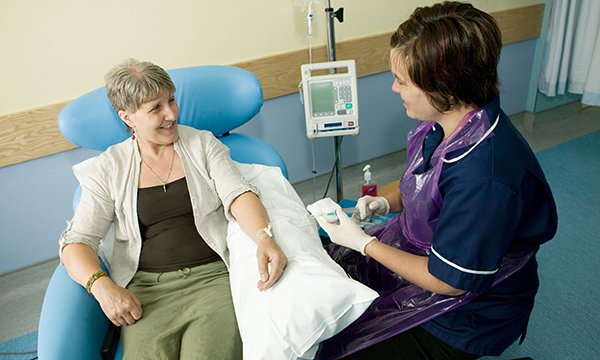
The insertion and care of peripheral intravenous cannulae (PIVCs) is a role performed by clinical staff that is fundamental to oncology. Previous research indicates nurses’ confidence and experience could mediate successful first attempt insertion, increasing the longevity of PIVCs and improving the patient experience.
The aim of this audit was to provide a snapshot of care and maintenance of PIVCs, patients’ experiences and nurses’ confidence at a specialist cancer hospital. An audit tool assessing PIVC care practices (
The findings raise some concerns about clinical practice when inserting PIVCs and ongoing care, with 80% adherence to cannulation policies. Almost half of insertion procedures failed at the first attempt and 17% of nurses lacked confidence in PIVC insertion and in recognising or responding to common complications. Patient satisfaction was high for ongoing PIVC care (95%), although some reported increased pain and anxiety after PIVC insertion, with some unresolved concerns.
The audit highlights several important areas for improvement in relation to PIVC insertion and maintenance and the need for greater adherence to clinical guidelines/policy and additional training were identified.